BGHR Recruitment Home

Category

Talent Acquisition

17 articles

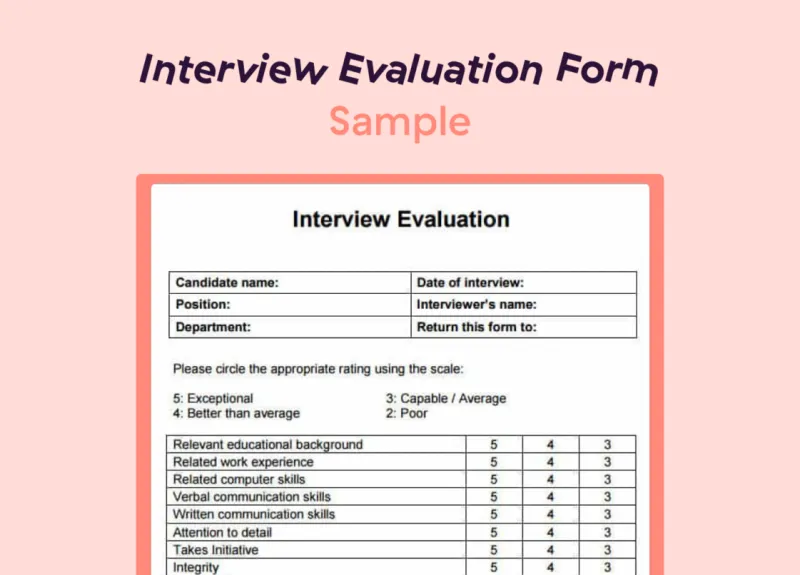
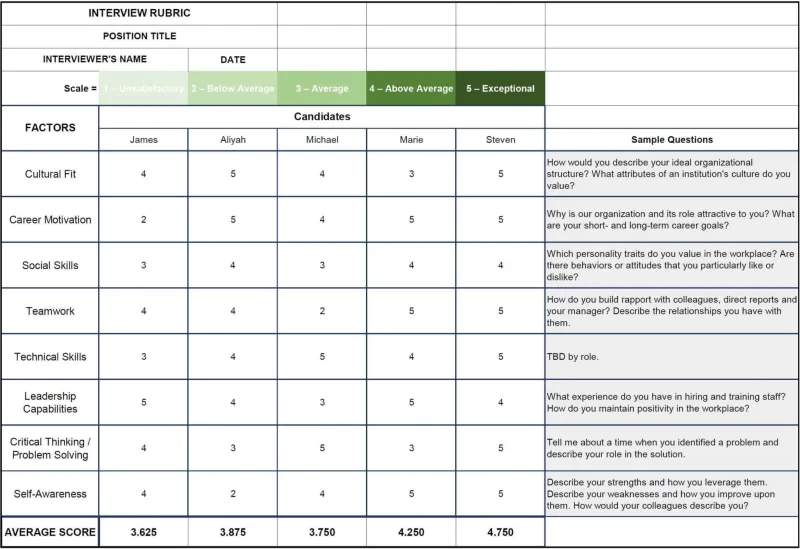
Charm Is Not Competence: Rebuilding Interviews Around the Work Itself

Charm Is Not Competence: Rebuilding Interviews Around the Work Itself

Traditional interviews measure how well someone performs in an interview — a skill with almost no overlap with the job they're being hired to do. This field guide covers the practical alternatives hiring managers can deploy this quarter: work samples, structured scoring, and realistic job previews that predict performance instead of polish.

The Invisible Hire: Why the Candidates Who Won't Break Your Team Are the Ones You Keep Overlooking

The Invisible Hire: Why the Candidates Who Won't Break Your Team Are the Ones You Keep Overlooking

Competency frameworks, technical assessments, and cultural fit interviews dominate the modern hiring conversation — but they largely ignore the qualities that determine whether a new hire will sustain team health or quietly erode it. Burnout, interpersonal friction, and chronic turnover are not random organizational misfortunes; in many cases, they are the predictable downstream effects of hiring decisions made without adequate attention to emotional durability and relational stability. This art

Reading the Room Wrong: Why Interview Teams Keep Missing the Signals That Actually Matter

Reading the Room Wrong: Why Interview Teams Keep Missing the Signals That Actually Matter

Most hiring teams believe they are evaluating candidates objectively, but research consistently shows that the signals they trust most are often the least predictive of real-world performance. Understanding the gap between perceived assessment quality and actual predictive validity is not a soft concern — it is a structural problem with measurable costs. This article examines where emotional intelligence in the interview room breaks down and what organizations can do to rebuild their signal-read

When Good Intentions Aren't Enough: Rebuilding Diversity Hiring From the Inside Out

When Good Intentions Aren't Enough: Rebuilding Diversity Hiring From the Inside Out

Diversity hiring programs have become a fixture of modern recruitment strategy, yet many organizations find themselves spinning their wheels — attracting underrepresented candidates only to lose them within the first year. The problem isn't ambition; it's architecture. This article examines why well-designed intentions so often produce hollow outcomes, and what a structurally sound diversity strategy actually looks like.

Not All Returns Are Created Equal: The Science of Timing Your Boomerang Hire

Not All Returns Are Created Equal: The Science of Timing Your Boomerang Hire

Rehiring former employees has become a widely accepted talent strategy, but the timing and conditions surrounding a return matter far more than most organizations acknowledge. Understanding which departing employees carry unfinished potential — and building the structured pathways to welcome them back strategically — is what separates a successful boomerang hire from an expensive miscalculation.

Rehired and Recommitted: How Smart Companies Turn Former Employees Into a Competitive Advantage

Rehired and Recommitted: How Smart Companies Turn Former Employees Into a Competitive Advantage

The instinct to treat an employee's departure as a closed door is costing organizations far more than they realize. A growing body of evidence suggests that companies which actively court former talent — and build the infrastructure to welcome them back — consistently outperform rivals who don't. Here's what separates the organizations that capitalize on the boomerang phenomenon from those still stuck in a punitive, 'once gone, always gone' mindset.

When Expertise Expires: Rethinking How You Hire for a World Where Skills Have a Shelf Life

When Expertise Expires: Rethinking How You Hire for a World Where Skills Have a Shelf Life

The credentials your top candidates earned three years ago may already be losing their market value. As industries accelerate and technology rewrites the rules of professional relevance, smart organizations are abandoning proficiency-based hiring in favor of something far more durable: learning velocity. Here is what that shift looks like in practice.

Beyond the Résumé: Why Hiring for Potential Is the Smartest Talent Strategy You're Not Using

Beyond the Résumé: Why Hiring for Potential Is the Smartest Talent Strategy You're Not Using

America's most forward-thinking employers are quietly abandoning the checklist-driven hiring model in favor of something far more powerful: identifying candidates who can grow into greatness rather than simply matching roles they've already performed. This article examines the structural and philosophical shift toward potential-based hiring—and why it may be the most consequential change your talent acquisition strategy can make.

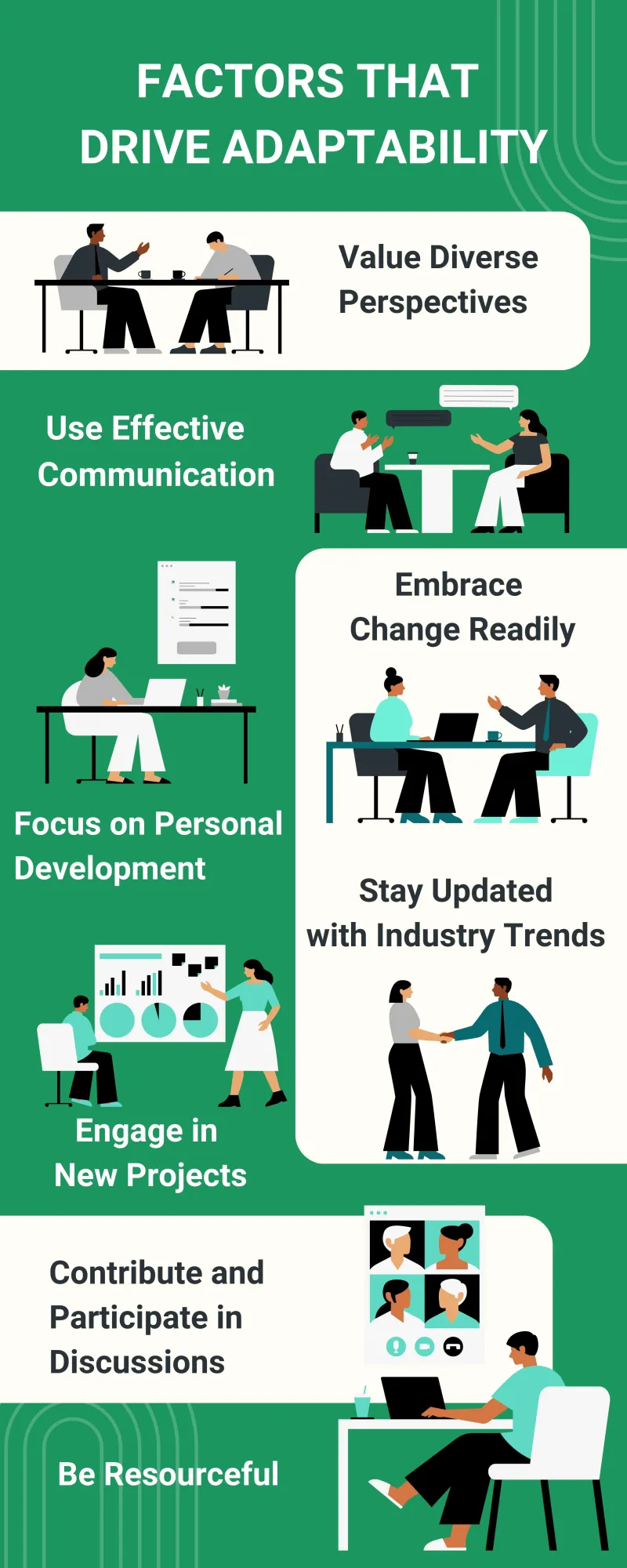
Wired Differently, Built for This: How Neurodivergent Talent Is Reshaping the Future of Hiring

Wired Differently, Built for This: How Neurodivergent Talent Is Reshaping the Future of Hiring

Organizations that deliberately recruit neurodivergent candidates are uncovering a profound competitive advantage hiding in plain sight. By rethinking how they identify, evaluate, and retain talent, forward-thinking employers are transforming cognitive diversity from an afterthought into a strategic priority. The results — in innovation output, problem-solving capacity, and employee loyalty — are difficult to ignore.

Your Former Employees Are Your Next Best Hire: The Rise of the Corporate Alumni Network

Your Former Employees Are Your Next Best Hire: The Rise of the Corporate Alumni Network

Forward-thinking organizations across the United States are discovering that the talent they need may have already walked through their doors once before. By systematically cultivating relationships with former employees, contractors, and interns, companies are transforming departure into opportunity — building alumni networks that function as living, breathing talent pipelines.

Career as a Canvas: How Gen Z Is Rewriting the Rules of Loyalty — and What Employers Must Do to Keep Up

Career as a Canvas: How Gen Z Is Rewriting the Rules of Loyalty — and What Employers Must Do to Keep Up

Gen Z professionals are entering the workforce with a fundamentally different relationship to employment — one built on flexibility, portfolio thinking, and deliberate career experimentation. For hiring teams still operating under traditional retention assumptions, this shift represents both a serious challenge and a significant opportunity. Understanding what drives younger workers is now an essential prerequisite for building competitive talent acquisition strategies.

The Unconventional Candidate Problem: Why Hiring Managers Can't See Past a Straight Career Line

The Unconventional Candidate Problem: Why Hiring Managers Can't See Past a Straight Career Line

Hiring managers routinely overlook some of the most adaptable, high-performing candidates in the market — not because those candidates lack capability, but because their career paths don't follow a familiar script. Understanding the cognitive biases that fuel this blind spot is the first step toward building hiring teams that can recognize genuine talent in unconventional places.

Stop Hunting for Unicorns: How Team-Based Skill Architecture Is Transforming Modern Hiring

Stop Hunting for Unicorns: How Team-Based Skill Architecture Is Transforming Modern Hiring

The relentless pursuit of the perfect candidate — one who checks every box on an exhaustive job description — is quietly undermining organizational performance across the United States. Forward-thinking companies are discovering that building teams with complementary skill sets consistently outperforms the mythical single-candidate solution. Here is what that shift looks like in practice.

You're Not Facing a Talent Shortage — You're Facing a Definition Problem

You're Not Facing a Talent Shortage — You're Facing a Definition Problem

Across the United States, hiring managers are turning away qualified candidates because their resumes don't match a checklist built for a different era. The so-called skills gap isn't a pipeline failure — it's a perception failure. Understanding the difference could be the most consequential shift your organization makes this decade.

Credential Creep Is Costing You: The Hidden Truth Behind America's So-Called Talent Shortage

Credential Creep Is Costing You: The Hidden Truth Behind America's So-Called Talent Shortage

Employers across the United States continue to cite a persistent skills gap as justification for prolonged vacancies, yet mounting evidence suggests the real barrier is internal — embedded in job descriptions that prioritize credentials over capability. A closer examination reveals that many organizations are inadvertently turning away qualified candidates through requirements that bear little relationship to actual job performance. Understanding how this dynamic operates is the first step towar